Safe Bed Bug Exterminator Services Available
How Heat Treatment Removes Bed Bugs: Essential Equipment and Inspection Strategies
Heat treatment is recognized as a proven solution for eliminating bed bugs. By raising temperatures beyond 120°F, it addresses all developmental stages, including eggs. Vital equipment, such as thermal imaging cameras and fans, serves a key function in achieving effective results. However, thorough inspections are necessary to locate infestations and common hiding spots. Knowing these elements is fundamental to a successful treatment. Which targeted methods can improve the success of this treatment?
Why Heat Treatment Remains the Top Choice for Battling Bed Bugs
Heat treatment stands out as among the most powerful solutions for exterminating bed bugs. This technique uses extreme heat, typically between 120°F and 140°F, to eliminate every life stage of these insects, including eggs. In contrast to chemical treatments, which may require multiple applications and can leave behind residues, heat treatment reaches deep into furniture, cracks, and crevices, guaranteeing comprehensive coverage.
Additionally, this approach is environmentally safe, as it prevents the use of toxic pesticides, making it a better choice for both homes and businesses. The success rate of heat treatment is significant; data confirms that it can eradicate bed bugs within a matter of minutes of reaching fatal temperature thresholds. On top of that, heat treatment generally requires less time than older techniques, making possible quicker resolution of infestations. With these factors in mind, heat treatment stands out as a reliable solution for individuals dealing with bed bug problems.
Essential Elements for Successful Heat Treatment
Successful heat treatment for bed bug eradication requires careful preparation and the right equipment. Necessary tools consist of high-capacity heaters able to reach temperatures surpassing 120°F, which is essential for destroying bed bugs at every stage of their life cycle. Thermal imaging devices can assist in locating thermal discrepancies, confirming that every area is properly heated. Furthermore, fans are required to efficiently circulate hot air, facilitating consistent temperature distribution across the treated area.
Protective equipment, such as gloves and masks, is important for protection during the procedure. Accurate temperature monitoring devices, like thermocouples, allow for precise tracking of thermal conditions in different areas. A reliable power source is necessary, as thermal treatment may demand lengthy periods of use. Lastly, proper insulation of treated areas assists in maintaining increased temperatures for longer durations, improving results. With the right preparation and equipment, the chances of complete bed bug removal greatly increase.
Locating Bed Bug Hideouts in Your Home
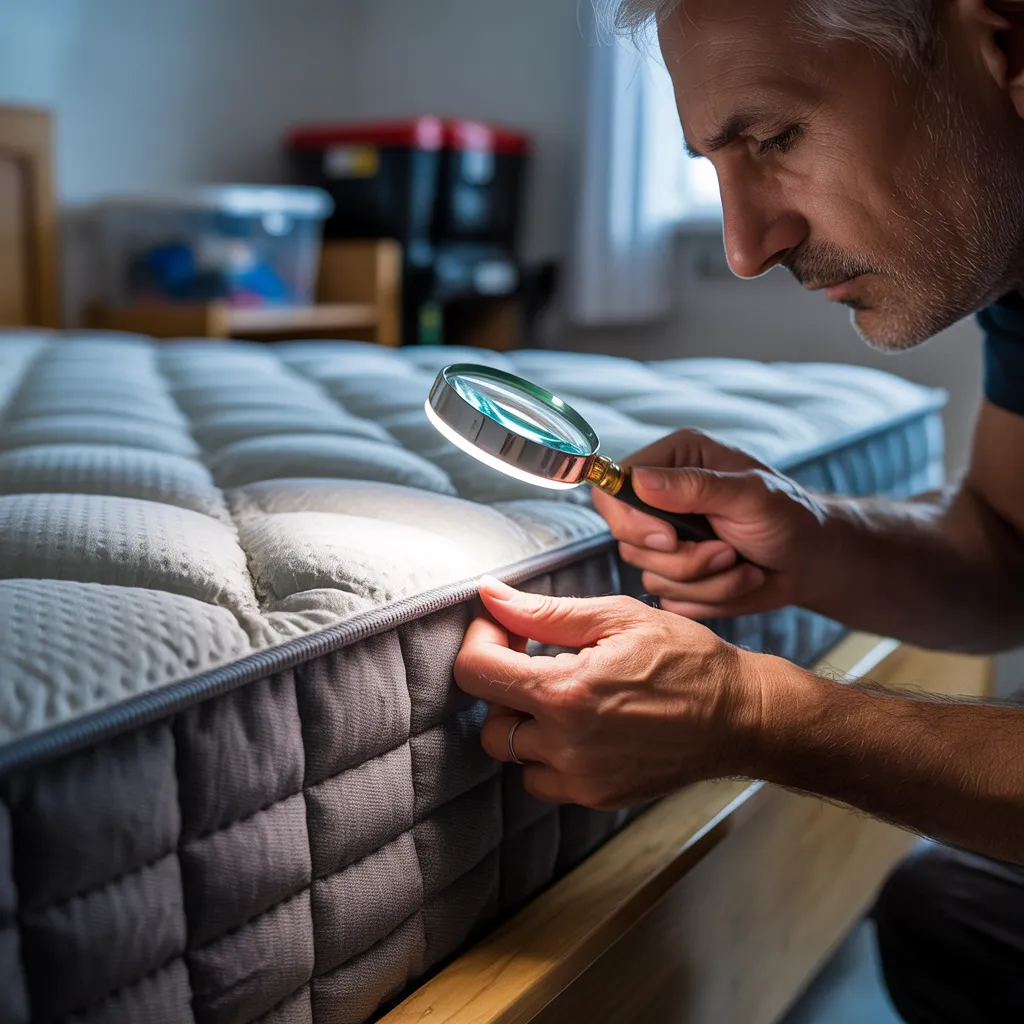
Where could bed bugs be hiding in a home? These pests are notorious for their ability to conceal themselves in various locations. Typical hiding places include the seams and creases of mattresses and box springs, where they are able to feed on resting residents. Bed frames and headboards additionally function as perfect hiding places, frequently containing eggs and nymphs within their cracks.
Apart from bedding, bed bugs can infest furniture, particularly fabric-covered pieces such as settees and seating. They can also squeeze into gaps in flooring, walls, or baseboards. Disorganized spaces, including closets and nightstands, offer additional hiding spots for these pests to flourish.
Routine checks of these areas can assist in detecting infestations at an early stage. Homeowners should be vigilant, examining any suspected areas closely and considering the use of a flashlight to improve visibility. Being aware of where bed bugs tend to conceal themselves is key to managing them effectively.
Carrying Out Heat Treatment: A Step-by-Step Guide
A methodical heat treatment strategy can successfully eliminate bed bugs from affected areas. The method commences with a detailed evaluation to establish the severity of the infestation and the exact locations demanding treatment. Following this, all objects in the treated space should be cleared or shielded to avoid heat escape. The interior temperature should be increased to no less than 120°F (49°C) through the use of dedicated heaters, making certain that heat is distributed consistently throughout the room.
Monitoring equipment should be installed to track thermal readings, as uniformity in temperature is vital for optimal results. When the required temperature is attained and sustained for no less than 90 minutes, the process may be regarded as effective. Following the treatment, the area should be allowed to cool slowly, and a second inspection conducted to confirm the elimination of bed bugs. As a final step, any residual items must be treated or disposed of to eliminate the risk of re-infestation, guaranteeing a comprehensive method of eliminating bed bugs.
Simple Methods to Keep Your Space Free of Bed Bugs
Keeping your living space free of bed bugs demands consistent preventive steps and careful attention. Consistent examinations of rest areas, including mattresses, box springs, and furnishings, are vital for spotting the first signs of a bed bug presence. Storing personal items away from the floor and applying protective covers to mattresses can significantly lower the chances of an infestation.
Reducing clutter in spaces eliminates hiding spots for these pests, while regularly washing bedding and clothing in hot water works to destroy any potential eggs or bugs. Regular vacuuming is essential, making sure the vacuum bag is discarded right away to avoid any risk of re-infestation.
Guests must examine lodging accommodations and ensure bags remain raised off the ground. Moreover, training all family members about identifying bed bugs and their indicators strengthens collective knowledge and rapid response. By applying these measures on a regular basis, individuals can successfully preserve a bed bug-free environment and reduce the likelihood of an infestation.
Commonly Asked Questions
How Much Time Does Heat Treatment Need to Get Rid of Bed Bugs?
Heat treatment typically takes around six to eight hours to effectively eliminate bed bugs. The duration may vary according to the size of the infested area and the machinery employed throughout the treatment procedure.
Can Heat Treatment Cause Any Damage to My Belongings?
Thermal treatment can potentially damage fragile objects, including plastics, artwork, and electronics, because of elevated heat levels. However, the majority of items, particularly hard surfaces and textiles, typically withstand the procedure without significant harm or lasting effects.
Should I Perform Heat Treatment Myself or Hire a Professional?
Individuals can choose to carry out heat treatment independently or hire a professional. At-home approaches may fall short of precision, while professional services provide thoroughness and safety. Considering the risks and outcomes aids in determining the best approach for eradicating bed bugs.
What Temperature Is Necessary to Kill Bed Bugs Effectively?
To successfully eliminate bed bugs, the temperature must achieve a minimum of 118°F important resource (48°C) for a continuous period of time. Greater temperature levels, close to 130°F (54°C), are capable of delivering more rapid results, confirming the thorough extermination of every life stage.
How Frequently Should I Repeat Heat Treatment for Optimal Results?
Performing repeated heat treatments at two to four week intervals is recommended for ideal results. This schedule helps guarantee any newly hatched bed bugs are eradicated, stopping re-infestation while ensuring comprehensive eradication of the pests.